







Search Results for: Cup Volume and Capacity

A Practical Guide to Choosing Coffee Cups: How Material, Capacity, Thickness, and Shape Affect the Taste of Espresso, Latte, Flat White, and Dirty
Faced with the dazzling array of coffee cups on the market, many people wonder: can a cup really change the taste of coffee? And what cup shapes should different drinks be paired with? Starting from the coffee cups commonly used at Front Street, this article sorts out the effects of four dimensions—material, size, thickness, and cup shape—on coffee flavor, and gives specific cup selection suggestions for common coffees such as hot latte, cappuccino, flat white, Dirty, and pour-over. Whether you are a beginner enthusiast or a barista making drinks every day, you can find practical purchasing ideas here, so that every cup of coffee can show its best side. [more…]

Manner launches a 590ml super-extra-large iced Americano, and the size upgrade adding only 117ml sparks heated discussion
Manner Coffee has recently quietly launched a new product called the "Super Super Super Large Cup Extra-Strong Iced Americano," priced at 25 yuan, with an official cup volume of 590ml. However, many consumers have noticed that compared to the existing 473ml extra-large iced Americano, the capacity has only increased by 117ml, which stands in stark contrast to the expectations created by the three "super" characters in the name. At the same time, an employee revealed that the standard recipe for this new product is 2 shots of espresso, one more than the extra-large cup, but if you add an extra shot of espresso to the extra-large cup, the total price is only 20 yuan and the concentration is higher. The mismatch between capacity, ratio, and price quickly made this new product the focus of discussion among coffee enthusiasts. [more…]
A Complete Guide to Choosing the Right Latte Art Pitcher Capacity and Milk-to-Espresso Ratios
To create beautiful latte art, choosing the right milk pitcher capacity and milk volume is key. There are many latte art pitcher brands on the market, with capacities ranging from 12 ounces to 24 ounces, and different sizes have a direct impact on pattern formation. This article will introduce common milk pitcher brands, explain the matching formula between milk pitcher capacity and coffee cup size, describe how the pitcher's tilt angle affects latte art results, and provide coffee cup capacity recommendations suitable for latte art. Whether you are a beginner or an advanced player, you can find practical purchasing and operating references here. Front Street Coffee has also compiled related product recommendations for you to help you easily improve your latte art skills. [more…]

Bringing Your Own Cup Rejected Due to Capacity Mismatch Sparks Heated Debate, Manner's Service Flexibility Faces a Test
Recently, a post about Manner Coffee refusing to let a customer use their own cup sparked widespread discussion on social media. The incident began when a customer brought an extra-large container to buy a large-size new drink and was refused by the barista, even though the customer was willing to accept a smaller fill. The matter quickly struck a chord with many coffee lovers and triggered controversy. Some netizens shared how baristas had handled similar situations flexibly in their own experience, while others pointed out that baristas are constrained by standardized recipes and find it hard to improvise. This discussion reflects the challenge facing chain coffee brands amid rapid expansion: how to balance product standards with customers' individualized needs. As a representative of China's specialty coffee scene, how Manner can improve the service experience while ensuring quality has become an important issue on its development path. (Recommended reading from Front Street Coffee) [more…]
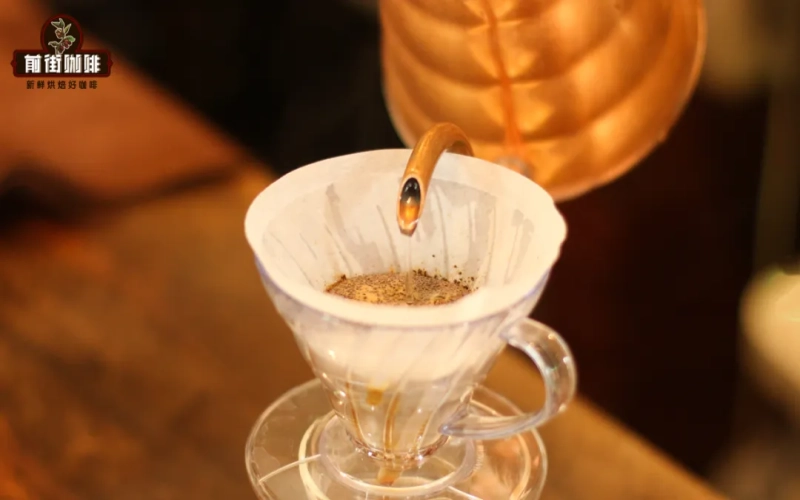
How to brew 30 grams of coffee with a size 01 V60? Parameter adjustment ideas for brewing a large batch in a single-person dripper
Pour-over coffee enthusiasts often run into this dilemma: they only have a 01 single-cup V60 dripper on hand, yet need to brew a multi-serving batch with 30 grams of coffee at once. Doubling the coffee dose is easy, but scaling up the water volume accordingly will exceed the dripper's capacity, leading to uncontrolled extraction. Does that really mean a small dripper can't handle a large dose? Not at all. Front Street successfully brewed 30 grams of Front Street Granja Geisha with a 01 V60 by adjusting the grind size, pouring method, and staged strategy, achieving a 20.33% extraction yield, with a balanced, sweet flavor where apricot, berry, citrus, and oolong tea notes are clearly distinguishable. This article shares this fully tested set of parameters and operating steps with anyone who has the same need. [more…]
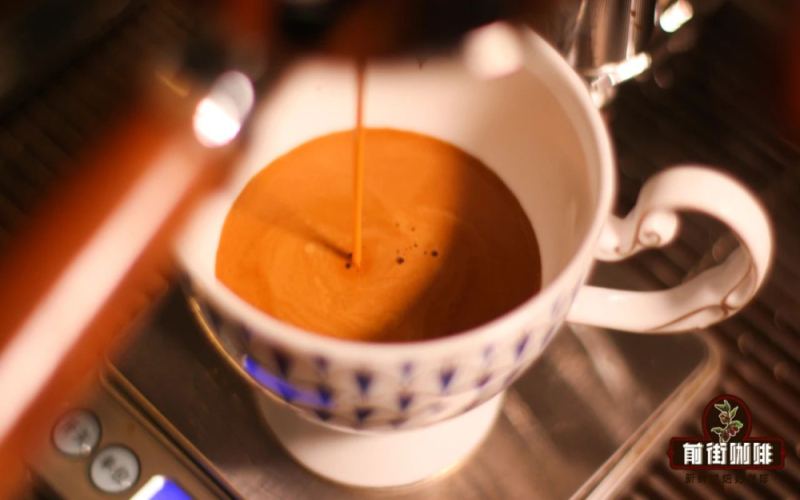
Does coffee cup size affect taste? Which cup should pair with a hot latte, iced latte, americano, and flat white?
Coffee enthusiasts often collect all kinds of cups, but have you ever considered that the shape and capacity of a cup can quietly change how a coffee is presented? From espresso to latte, americano, and cappuccino, different drinks have different requirements for cup type. Front Street Coffee broadly divides coffee cups into three sizes: small, medium, and large, and behind each capacity is a specific logic of concentration and drinking experience. Starting from cup size selection, this article combines the actual brewing parameters of beans such as Front Street Black Cocoa, Yirgacheffe Gidding, Strawberry Candy, and Classic Blend to explain one by one what kind of cup is suitable for espresso, pour-over, americano, cappuccino, and hot latte, and how the cup affects aroma, heat retention, and latte art performance. [more…]
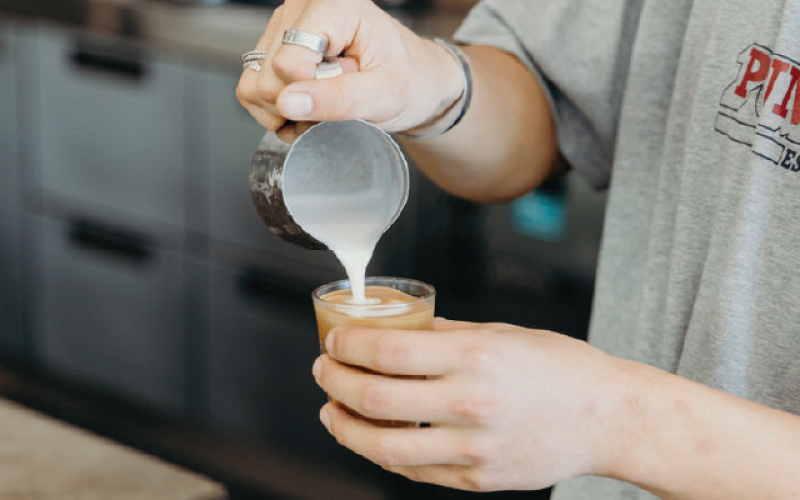
A Complete Guide to Piccolo Latte Coffee: Volume, Recipe, and Key Differences from a Regular Latte
The Piccolo Latte is not commonly seen on coffee menus, and many people know very little about it, sometimes even misunderstanding it because of its small size. This mini milk coffee originating from Italy usually has a capacity of only 85 to 100 milliliters, in sharp contrast to the regular 250 to 300 milliliter latte. This article will explain in detail what a Piccolo Latte is, how it differs from a regular latte, its standard preparation recipe and drinking method, and introduce the Warm Sun blend coffee beans used by Front Street Coffee in its espresso offerings along with their flavor performance, helping coffee lovers gain a comprehensive understanding of this small yet refined milk coffee. [more…]
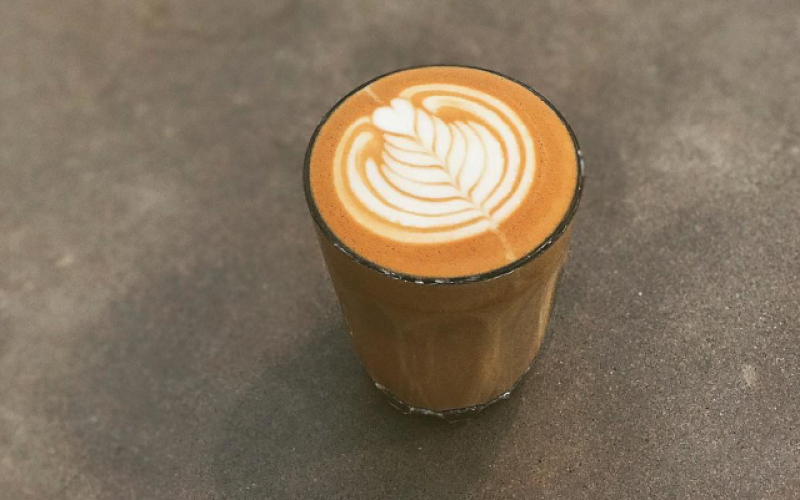
Flavor Profile and Brewing Method of Piccolo Latte: A Complete Guide to the Small-Volume Espresso Milk Drink
Piccolo Latte is a small-sized espresso milk coffee with a capacity of only 90–100 ml, made by combining a Ristretto with steamed hot milk, and it is very common in Australia. It was originally a test drink used by roasters and baristas to check the integration between coffee beans and milk, and later gradually entered café menus. This article will start with Piccolo's origin, the reasons for its small cup size, and its flavor characteristics, and then break down in detail the steps for Front Street Coffee to recreate this drink, including coffee powder dose, extraction parameters, milk steaming temperature, and latte art timing, to help coffee enthusiasts fully understand this short coffee known as a "shrunk version of a hot latte." [more…]
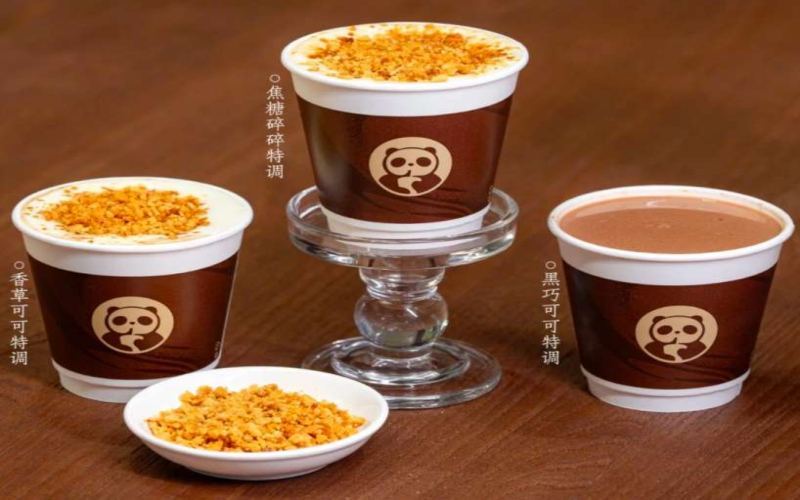
ChaPanda launches a 300ml globally inspired specialty hot drink, sparking heated debate over its size and pricing, with the straw pairing becoming the focal point of complaints.
ChaPanda recently launched its Global Flavor series, rolling out three hot specialty drinks in one go: Caramel Crunch, Vanilla Cocoa, and Dark Chocolate Cocoa. The wintery vibe in the posters drew many milk tea fans to place orders and give them a try. However, once they got their hands on the drinks, quite a few consumers discovered the takeaway cup was only palm-sized, with the mini-program listing a capacity of 300ml—a stark contrast to the 500ml or even 1-liter milk teas common on the market. In terms of price, the three drinks fell in the 14 to 17 yuan range depending on platform discounts, which some users considered poor value—too little for too much. On top of that, the thick, long straws supplied by the stores stuck into the mini cups sparked all kinds of jokes online. Still, most people rated the taste as "good"—it's just that value for money has become a hurdle on the road to repeat purchases. [more…]

How Many Milliliters Is an Espresso Shot, Really? A Complete Analysis of Espresso Crema Richness and Extraction Standards
When ordering at a café, you often hear the term "a shot"—but exactly how many milliliters of coffee does it correspond to? Why do some espressos have a rich, thick crema and appear to be more in volume? From the professional perspective of Front Street Coffee, this article sorts out the origin of the term "shot," the changes in espresso extraction standards, and the relationship between crema and extraction ratios. It also introduces the performance differences of coffee beans with different roast levels under the same parameters, and offers recommendations for several of Front Street's espresso beans, helping you more clearly understand the measurement and flavor choices of espresso. [more…]
Starbucks Double Shot Caffeine Content Fully Explained: How Much Caffeine Is Actually in One Double Shot?
When ordering at Starbucks, have you ever noticed the term "Double shot"? How much caffeine does a double espresso actually contain, and how much do different products vary? This article will start with the origin of the word "Shot," trace the evolution of espresso measurement from volume-based to weight-based, and explain why the size of a single shot can vary so dramatically from one coffee shop to another today. At the same time, we will also draw on Front Street Coffee's extraction practices to provide specific parameters for dose, liquid weight, and time, helping you understand the true nature of a double espresso more clearly. Whether you drink Starbucks regularly or pull your own shots at home, you will find practical references here. [more…]
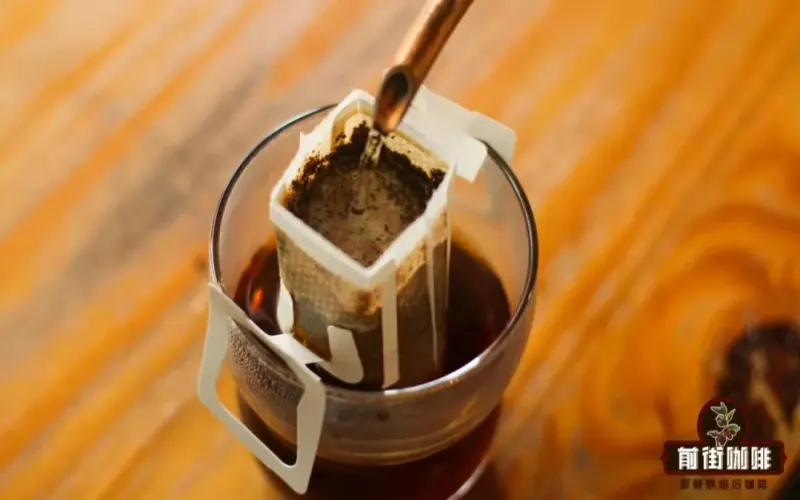
Analysis of the Differences Between Drip Bag Coffee and Pour-Over: Drip Bag Composition, Control of Water Temperature and Volume, and Simple Brewing Steps
Drip bag coffee has become the top choice for many people's daily coffee due to its portability and ease of operation. What exactly are the differences between it and pour-over coffee? This article will start with the structure of the drip bag, sort out the essential differences between it and pour-over in terms of equipment and process, and share a simplified brewing method that only requires attention to two parameters: water temperature and water volume. At the same time, for different taste preferences, the article also compiles the flavor characteristics and purchasing suggestions of multiple drip bag products under the Front Street Coffee brand, helping you obtain a cup of drip bag coffee with suitable strength and full flavor in the simplest way and with stable results. [more…]
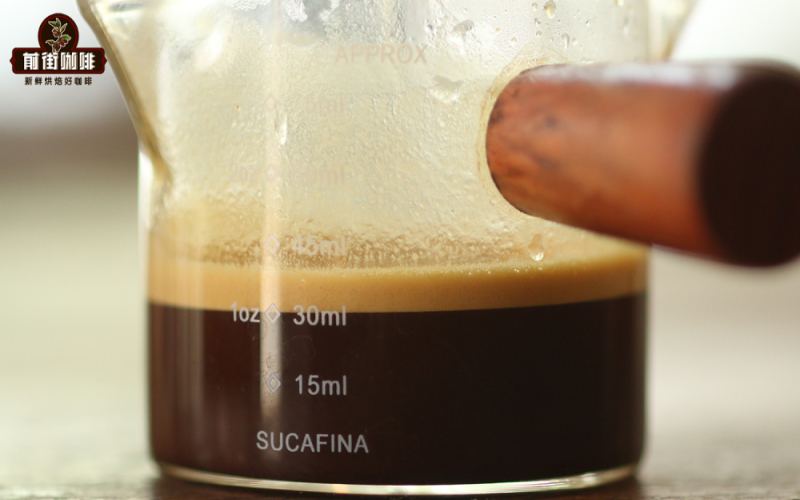
What are the substantive differences between single and double espresso? A full analysis of portafilter basket structure, extraction data, and operation
When ordering an espresso at a coffee shop, you can ask for a single shot or a double shot. On the surface, single and double espressos differ only in volume, but from the barista's operational perspective, this involves two completely different extraction schemes. Portafilter basket capacity, puck structure, and uniformity of pressure distribution can all create noticeable differences in the final product. This article starts from Front Street Coffee's extraction experiments, using specific data to compare the extraction performance of single baskets versus double baskets, explaining why a single espresso is not simply half of a double, and includes a standard double espresso preparation procedure to help you gain a deeper understanding of the intricacies behind this small cup of coffee. [more…]
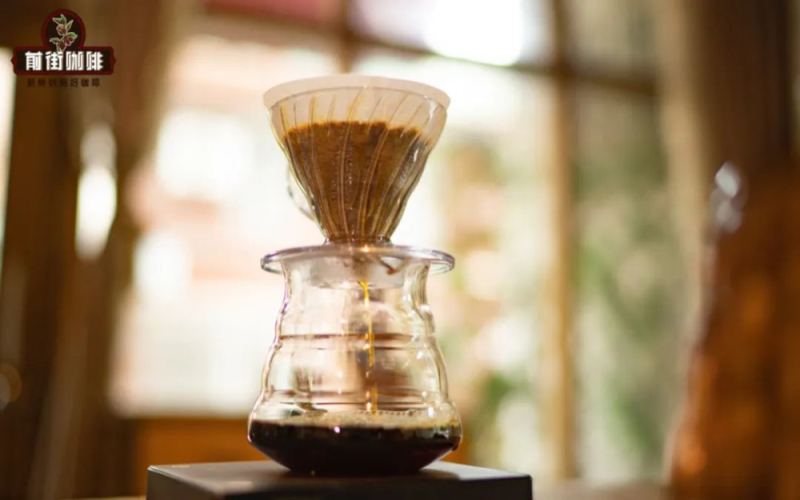
How Does Filter Cone Material Affect Coffee Extraction? Analyzing Brewing Differences Through Thermal Conductivity and Specific Heat Capacity
Coffee filter cups on the market come in a wide variety of materials—resin, glass, ceramic, and metal each have their own fans—but what real impact do different materials actually have on brewing? Many people's first thought is the price difference, but setting aside cost, the most core difference between materials lies in their ability to control temperature. Thermal conductivity determines how quickly heat is transferred, while specific heat capacity relates to how much heat an object can store. Together, these two physical parameters directly change the temperature performance of hot water during the extraction process. Metal conducts heat fastest but also dissipates it quickly; ceramic has a high specific heat capacity but needs thorough preheating; glass performs mildly; and resin, because it absorbs heat slowly, has almost no effect on water temperature. In this article, Front Street Coffee will break down the characteristics of four common filter cup materials one by one, and combine them with the actual differences in flow rate among V60 versions made of different materials, to help everyone understand why you cannot simply copy extraction formulas from the internet, but should instead flexibly adjust your brewing strategy according to the material of the filter cup in your hands. [more…]
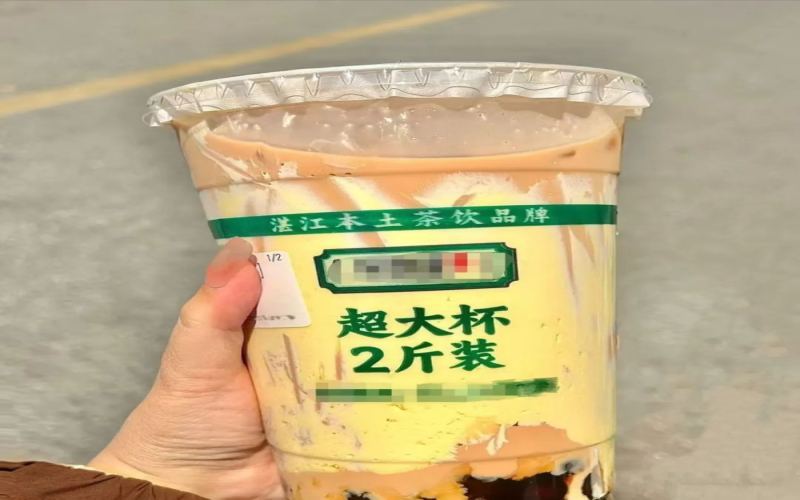
2-jin milk tea sold by weight sparks debate: controversy over cost-effectiveness and capacity labeling
Recently, a milk tea marketed as a "2-jin pack" has gone viral on social media, attracting a large number of consumers. The product was launched by a local tea beverage brand in Zhanjiang, priced at 18 yuan, or about 10 yuan after discounts, and has tapped into the consumer psychology of pursuing value for money with its large capacity and low price. However, along with the popularity came controversy: some consumers pointed out that 2 jin is roughly equivalent to 1000ml, and compared with the 500-700ml large cups of milk tea on the market, the actual value for money may not be outstanding, and merchants should label the capacity truthfully. In addition, similar products have already appeared in Nanning, Guangxi, and the originality of the idea has also sparked discussion. Some people are also worried that oversized milk tea may cause food waste. As coffee lovers, Front Street Coffee has also noticed the consumer trends and industry reflections behind this phenomenon. [more…]
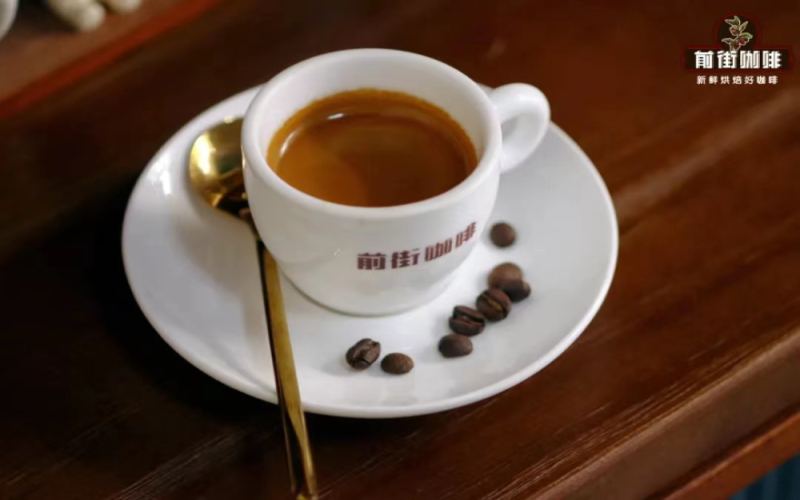
How to Determine the Espresso Coffee Grounds-to-Water Ratio? A Complete Analysis of Four Front Street Coffee Espresso Blends: Flavors and Brewing Methods
Want to make a decent espresso at home? The coffee-to-water ratio is one of the most critical parameters. This article draws on the hands-on experience of Front Street Coffee, first explaining why espresso mostly uses blend beans rather than single-origin beans, then explaining how the dose is limited by the basket capacity, why a 1:2 coffee-to-liquid ratio is regarded as the golden ratio, and how too much or too little coffee grounds affects flow rate and flavor. It then introduces, one by one, the four espresso blend beans currently offered by Front Street—Sunflower Warm Sun, Specialty Blend, Commercial Blend, and Dark Cocoa Blend—including their recipe proportions, flavor descriptions, and target drinkers. Finally, it supplements the ways to taste espresso, helping you understand why it emphasizes mouthfeel, aroma, and finish rather than distinguishing temperature changes like pour-over. [more…]
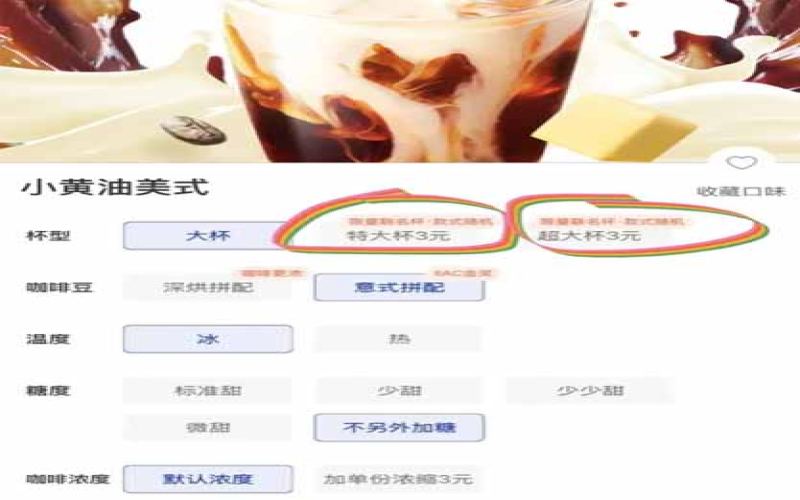
Luckin adds 3 yuan to upgrade to a large cup: The capacities of the extra-large and super-large cups are a mystery, and the upgrade rules leave consumers confused.
Luckin Coffee recently launched two new cup sizes, Extra Large and Super Large, on its mini-program, allowing users to upgrade for an additional 3 yuan. However, the official listing does not clearly indicate the capacity difference between the two, sparking widespread discussion among consumers. Some are delighted by the larger volume, while more are confused about "which is bigger, Extra Large or Super Large," and whether the upgrade means more coffee liquid or just added water. Store employees give inconsistent explanations—some say the cup size depends on whether the drink is iced or hot, while others say the recipe adjustments vary by product. Behind this upgrade, Luckin's lack of communication forces users to rely on repeated trial and error to confirm the taste. This article sorts out the whole story and includes related recommendations from Front Street Coffee. [more…]

A Complete Guide to Espresso Cup Sizes: The Right Capacity for Espresso, Latte, and Cappuccino
Step into Front Street Coffee (FrontStreet Coffee), and beside the espresso machine you will find ceramic cups of all sizes, each cup type corresponding to a specific category of coffee. The size of the cup not only affects the visual appeal of the finished drink, but is also closely tied to coffee intensity, heat retention, and flavor presentation. This article goes through three sizes—small, medium, and large—explaining one by one the cup capacities that suit espresso, americano, cappuccino, and latte respectively, and combines Front Street's brewing parameters and blended bean choices to help you understand the relationship between cup size and flavor, while also offering a reference for choosing suitable coffee beans when making milk coffee in daily life. [more…]
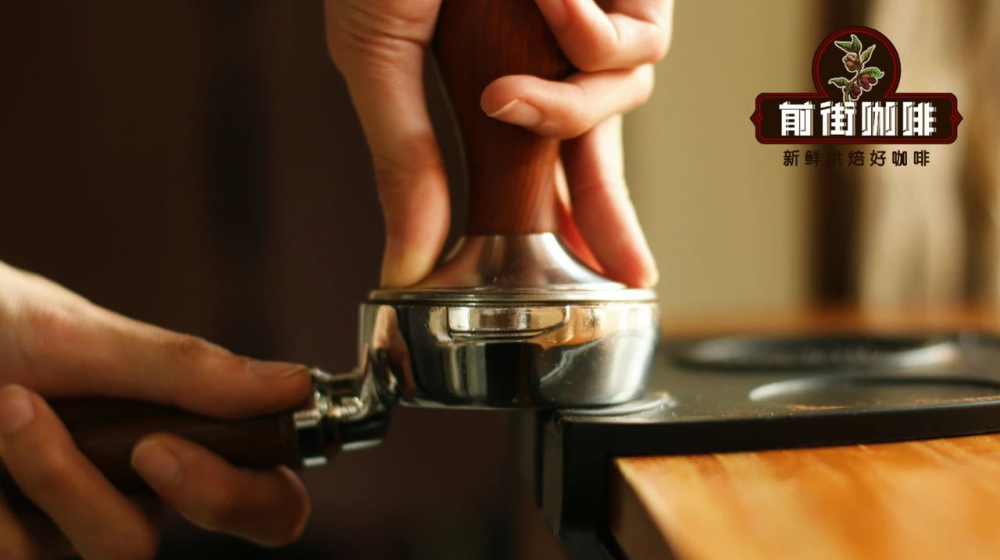
Americano | How do you drink espresso? Is iced Americano black coffee addictive?
Everyone is familiar with Americano. Coffee fans who often visit Front Street Coffee know that Americano is made by combining espresso from a coffee machine with an appropriate proportion of water. Americano has basically become a standard item on coffee shop menus, and those who have been to [more…]
Espresso Golden Cup Extraction | Are Italian coffee and espresso the same thing? What extraction parameters need to be adjusted to make Italian coffee?
For more specialty coffee knowledge, please follow our WeChat official account: Front Street Coffee (FrontStreet Coffee). When it comes to brewing coffee, many people like to ask how many grams of coffee grounds to use and what the coffee-to-water ratio should be. Ultimately, what people really care about is the extraction yield of the coffee. [more…]